Uluru for children: a giant, gentle story
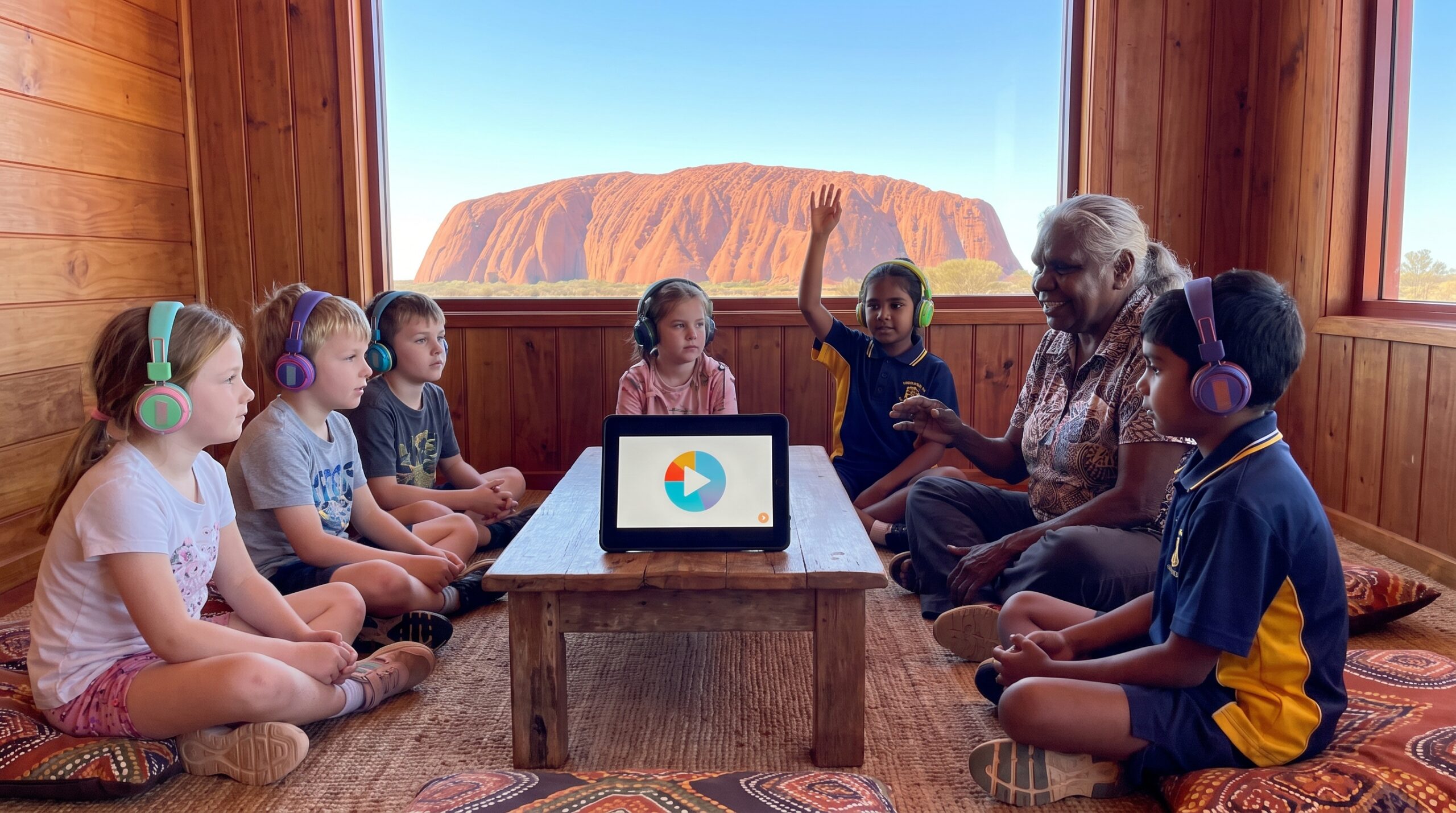
Uluru for children feels like a giant, gentle story you can stand beside. In the cool of morning or the glowing hush of sunset, the rock seems to breathe. Colours tumble from deep rust to bright orange and soft purple. Tiny wow moments and wide-eyed wonder happen here, and families often remember this place for years. In fact, in the 2023–24 period, Uluru‑Kata Tjuṯa National Park welcomed 245,238 visitors, achieving a 96.39% satisfaction rate, with over 17,200 visitors participating in free cultural activities such as the Ranger‑Guided Mala Walk and Cultural Centre presentations, highlighting its popularity as a tourist destination.
Where is Uluru?
Uluru sits in central Australia, inside Uluru and Kata Tjuta National Park. It rises about 348 metres from the plain and reaches roughly 863 metres above sea level. The base walk is near 9.4 kilometres, so families can imagine the distance together by counting steps or sharing snacks along the way. Additionally, the park encompasses over 400 fauna species (including 21 mammals, 73 reptiles, 170 birds, and 4 frogs) and over 400 flora species, all within a vast area spanning 1,325 km².Visitor guide – general information. The small service town of Yulara is the closest place to stay.
How Uluru formed
First, sandy and muddy layers formed about 550 million years ago in ancient seas and sediment fans. Over time, the grains compressed into arkose, a feldspar-rich sandstone. Then tectonic tilt and long erosion left one dramatic, solitary rock. Its rusty face comes from iron in the stone that rusts when touched by air and sun. As a result, the colours shift with light and weather, making each visit feel different. Interestingly, the Northern Territory Geological Survey estimated in 2018 that Uluru’s above-ground mass weighs approximately 1,425,000,000 tonnes, showcasing its massive geological significance.
Features to notice
Look closely and you will see caves, overhangs, chips and waterholes. For example, Mutitjulu Waterhole is a permanent pool at the base. It supports plants and animals and holds important cultural stories. Also, shaded rock faces and waterholes create mini oases where life gathers.
Culture and care
Uluru’s cultural heartbeat belongs to the Aṉangu. Their Tjukurpa stories explain how the landscape and its features were made by ancestral beings. People have cared for this Country for thousands of years. In 1985, the Australian government returned title to Aṉangu, and Uluru–Kata Tjuṯa National Park was inscribed on the UNESCO World Heritage List for its natural values in 1987 and later recognized for its cultural landscape. Today, the park is jointly managed by Aṉangu and Parks Australia, reflecting its significance as a World Heritage site.UNESCO World Heritage documentation.
Visitor protocols and respectful choices
Visitors are asked to follow cultural protocols. The climb closed permanently on 26 October 2019 out of respect and safety. Many places around the base remain closed or have photography restrictions. The Uluru and Kata Tjuta Cultural Centre is the best first stop. Join ranger talks or Anangu-led experiences to learn the right questions to ask. Show children how to be curious and respectful at the same time.
Desert life and practical tips
The desert around Uluru is alive with spinifex, mulga and hardy shrubs, plus reptiles, birds and small mammals. For families, practical tips make trips easier. Fly into Ayers Rock Airport at Yulara. Visit at sunrise or sunset for dramatic colour. Carry plenty of water, wear hats and sturdy shoes, and choose short guided walks for younger children. Use sensory prompts: what does the air smell like, how does the rock feel in the light, can you hear the quiet? These prompts help make memories sparkle.
Read stories and start conversations
Read or listen to a story about Uluru now: For 3-5 year olds, For 6-8 year olds, For 8-10 year olds, and For 10-12 year olds. You can also browse more resources on Storypie to build curiosity before you go. Visit Storypie.
Final thought
At Storypie we tell Uluru’s voice, its 550 million year origins, the Aṉangu’s long guardianship, explorers’ arrival, the land’s return, and the climb’s respectful closure. Invite curiosity, protect Country, and celebrate the little stories children will make along the base walk.