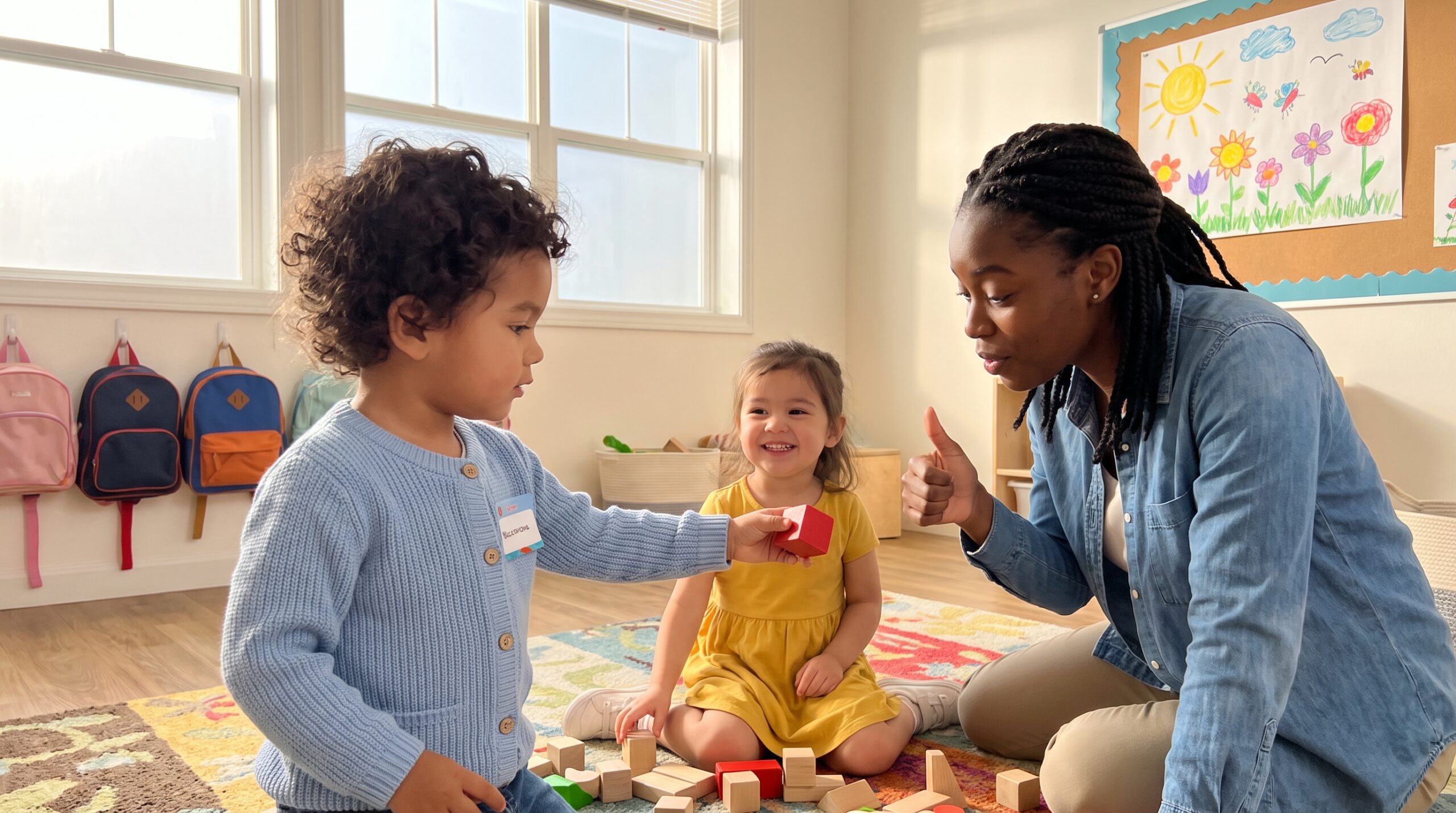
I want to help you support a shy child. Shyness shows up as caution and quiet in new social settings. I have noticed it in toddlers, school starters, and teens who feel very self conscious. In fact, approximately 15–20% of typically developing children show extreme behavioral inhibition, which is often described as marked shyness or withdrawal in novel social situations. First, know that shyness is common and not a failing.
How a tiny rehearsal can change things
I remember a quiet child named Sam. He whispered “hi” once and grinned for days. Then we practiced a tiny rehearsal. That small rehearsal had a big payoff. When I speak in first person, kids lean in. They hear a real person, not a lecture. Empathy comes first. Agency follows. Then transfer happens.
Read or listen to a story about Shyness now: For 3-5 year olds, For 3-5 year olds, For 6-8 year olds, For 8-10 year olds, and For 10-12 year olds.
Support a shy child: one small brave step you can try tonight
Start tiny. That is the trick. Evidence shows gradual, supported exposure builds confidence. Try one tiny script at a time. Practice it at home. Then try it once at school. Celebrate the attempt, not perfection. Also, praise effort and bravery.
Quick one small step ideas
- Say hi practice: “Hi, I am Emma. Can I play blocks with you?” Practice twice in the mirror. Then try it by the sandbox. Small lines can feel surprisingly brave.
- Offer an object: Bring a toy and say, “Do you want this truck?” A shared object lowers pressure and gives an easy opener.
- Sit nearby: Choose a spot near other kids. Watch for a welcoming moment. When it appears, offer a small comment.
Age specific signs and tips
For parents and teachers, spotting signs helps you respond gently. For toddlers, preschoolers, school kids, and teens the steps differ slightly.
- Toddlers: They may cling or freeze around strangers. Give warm routines and short welcomes. Use picture books about visiting school.
- Preschool: They may watch more than join play. Set up paired play with blocks. Role play a two line script. Keep it playful and silly.
- School age: They may avoid raising a hand or decline invites. Teach simple starters like “What game is that? Can I try?” Arrange short playdates.
- Adolescents: They feel intense self consciousness. Validate feelings. Set tiny social goals, like one class conversation. Respect their pace.
Classroom friendly strategies
Teachers can nudge shy students without spotlighting them. Use clear roles and buddy systems so kids join with low pressure. Also, model greetings and praise the action.
- Buddy systems for group work
- Structured tasks with clear roles
- Specific praise: “You said hello. That was brave and helped Zara smile.”
When to seek help
Consider professional support if shyness causes big problems. For example, missing school, intense avoidance, or mood changes need attention. A clinician can tell you if social anxiety needs focused treatment. Evidence based options include parent led CBT and social skills groups.
Why stories and role play help
Short stories give a safe rehearsal stage. Kids hear a character take one small brave step. Then the child practices the line in a calm spot. That practice becomes a tiny win and feels huge. Try a gentle Storypie story as rehearsal tonight.
You do not need to fix shyness. You can support it. Offer choices. Praise effort. Create low pressure chances to try. Little steps add up into bold, confident moves.
For more gentle stories and ideas visit Storypie for curated shyness content.
Note: If you notice withdrawal, severe anxiety, or mood shifts, consult a professional sooner rather than later.