
Playtime That Matters
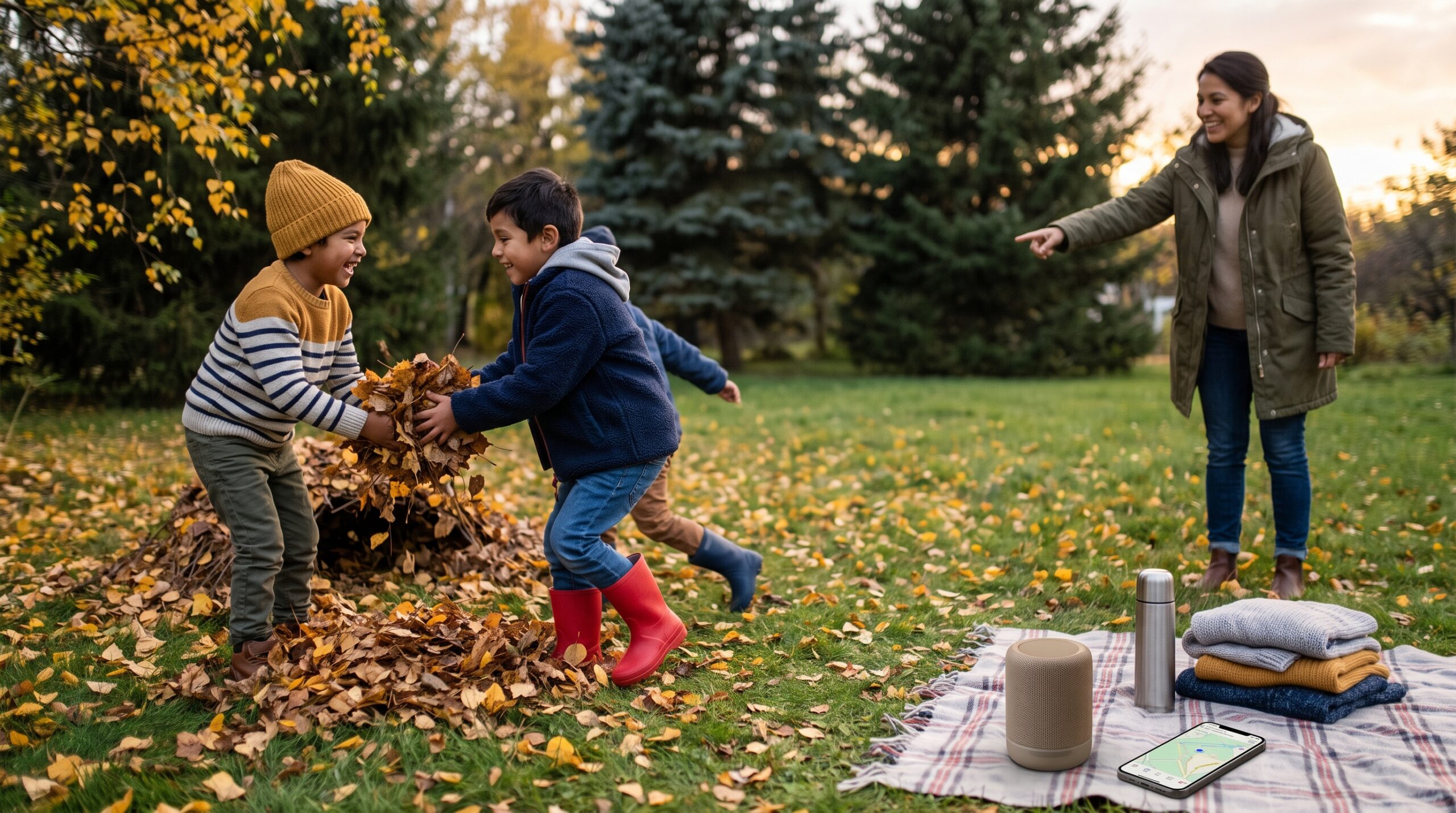
Playing outside for kids gives simple, powerful benefits. Also, fresh air and movement boost mood and focus. Children move more, run harder, and learn faster when they play outdoors. In fact, spending time outdoors can reduce stress and depression levels in children, leading to increased focus and reduced symptoms of Attention-Deficit/Hyperactivity Disorder (ADHD) according to research from HealthyChildren.org.
Why Playing Outside for Kids Matters
Outdoor play strengthens bones, improves balance, and adds vitamin D. Regular outdoor play is linked to increased vitamin D production, which is essential for healthy bones and a strong immune system, as noted by Harvard Health. In addition, natural spaces calm busy minds. As a result, children feel less stressed and more curious. In the United States, approximately 64% of preschoolers (ages 3–5) spent more than 2 hours playing outdoors on most weekdays, and about 77% did so on weekend days, based on 2021–2022 NSCH data.
Quick Safety Checklist
- Tell a grown-up where kids will play and agree a boundary and check-in time.
- Wear layers and sturdy shoes. Also use helmets for bikes and scooters.
- Carry a charged phone, a small first-aid kit, and visibility items in low light.
Ideas by Age
Offer play that matches ability and independence. Next, try these simple ideas by age.
Toddlers (under 5)
- Needs: lots of movement through the day for motor skills and confidence.
- Ideas: puddle-jumping, push toys, and safe low climbing with supervision.
Preschoolers (3 to 5)
- Needs: active play with gentle challenges.
- Ideas: scavenger hunts, den-building, nature art, and simple ball games.
Primary-aged (5 to 11)
- Needs: at least 60 minutes of moderate-to-vigorous activity each day.
- Ideas: tag, cycling, team games, and supervised climbing.
Tweens (10 and up)
- Needs: varied play and more independence.
- Ideas: longer bike rides, group sports, and creative outdoor projects.
Seasonal Checklist
- Summer: sunscreen, hats, water, and shade breaks.
- Autumn: layers, visibility items, and watch for slippery leaves.
- Winter: warm waterproof layers and reflectors; limit extreme cold exposure.
- Spring: beware of puddles and ticks in long grass. Also launder muddy clothes promptly.
Common Hazards and How to Reduce Risk
Choose traffic-free spaces or fenced parks when possible. Never leave young children near water.
Also, check playground surfacing and clear hazards like glass. Use reflective clothing as evenings shorten. Teach road sense and remove obvious risks.
Practical Gear
- Helmets for bikes and scooters and good shoes for running and climbing.
- Gloves for building dens and weatherproof outer layers.
- Keep a small first-aid kit and a phone nearby. For inclusion, seek accessible parks and sensory gardens.
Why a Little Risk Helps
Managed risk teaches judgment, resilience, and problem solving. For example, climbing and balancing build confidence. However, set clear boundaries and supervise thoughtfully.
Before You Go
Map the boundary, set a check-in time, and pack layers. Then pop Storypie into your pocket to plan or record a quick check-in. Visit https://mystorypie.com/get-app to add Storypie tools to your routine.
Read or listen to a story about Playing Outside now: For 3-5 year olds, For 6-8 year olds, For 8-10 year olds, and For 10-12 year olds.
Final Thought
Outdoor play is joyful, irresistible learning. With simple routines and common sense, children grow stronger, calmer, and more creative. Get them outside and watch wonder happen.