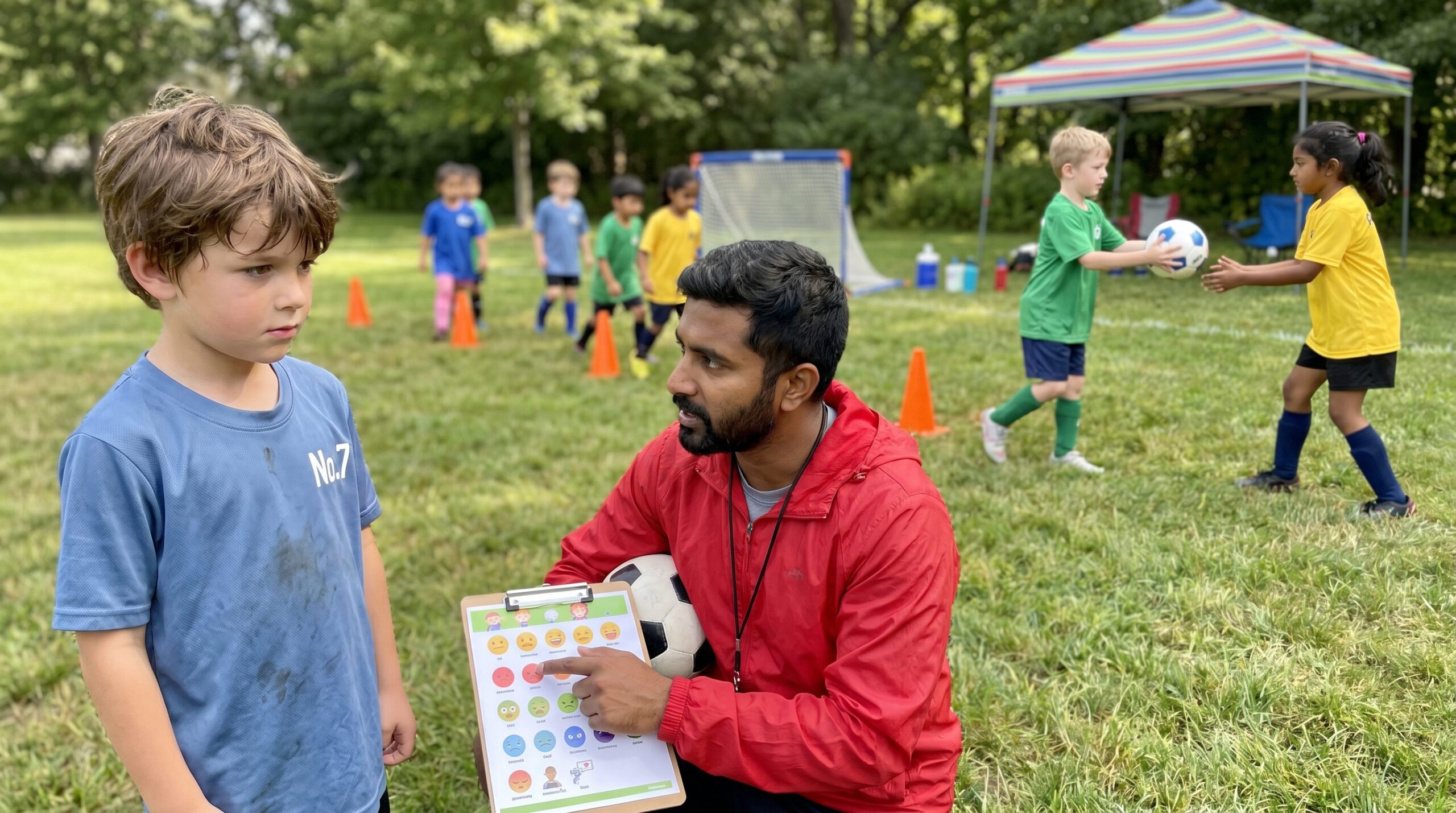
Mid-morning at soccer camp, Leo felt jealous when his best friend played with someone new. Jealousy in children can look sudden and loud. But it also hides a simple request for attention, fairness, or belonging.
What jealousy in children is
Jealousy is worry about losing a valued relationship or position to someone new. Unlike envy, jealousy is about a bond. For example, kids may fear losing a parent, a friend, or a special role. In fact, research involving 1,076 adults revealed that approximately 25% expressed interest in receiving treatment for obsessional jealousy, highlighting the significant impact of jealousy on mental health.
Why jealousy happens
Often a life change triggers jealousy. A new sibling, a parent who seems busy, or a shift in routine can spark it. Infants show proto jealousy around six to nine months. Toddlers may cling or tantrum. School-age children begin to name feelings. Teens feel more complex social forms tied to identity. In a Pew Research Center survey, 23% of partnered U.S. adults whose partner uses social media reported feeling jealous due to their partner’s interactions, rising to 34% among those aged 18–29, reflecting how modern dynamics can influence feelings of jealousy.
Quick signs to watch for
Watch for crying, anger, clinging, or withdrawal. Also note regression and mimicking a rival. Children might show a flushed face, fast breathing, stomachaches, or trouble sleeping. In short, jealousy is a clear social signal. When we notice it, we get a chance to reassure and teach. It’s important to acknowledge that during 2018–2021, “jealousy or ‘love triangle'” was recorded as a precipitating circumstance in 307 intimate-partner homicides of adult women, underscoring the serious implications jealousy can have in more extreme contexts.
What to say in the moment
Keep lines short and concrete. For toddlers, try: “You look upset. Do you want a hug or a turn?” For school-age kids, say: “It sounds like you feel jealous. What would help you feel included?” For teens, offer: “I can hear this hurts. Want to brainstorm options or just vent?” Research shows that addressing jealousy openly can lead to constructive conversations.
Follow-up strategies
First, schedule predictable one-on-one time. Next, teach coping tools like deep breathing or counting. Also set up a calm corner with sensory items. Practice scripts for asking for turns. Role-play and stories help kids practice perspective taking. However, avoid shaming feelings. Instead, meet needs and teach skills without always overcompensating. A 2023 longitudinal study found that social-media–related jealousy and offline intimate-partner violence perpetration were positively associated, indicating that modern relationship issues can be exacerbated by social media dynamics.
Child-friendly activities
- Make a feelings chart together.
- Role-play how to join a play group.
- Create a worry box for quick check-ins.
- Practice a five-breath reset or a short sensory break.
When jealousy becomes a problem
Most jealousy is normal and helpful. Yet seek help if it is extreme or persistent. Also look out for aggression, withdrawal, or major sleep or appetite changes. In that case, consult a pediatrician or a child mental health professional. A 2023 empirical study reported self-rated jealousy means of 2.71 for single individuals and 3.33 for committed individuals, providing insight into how jealousy varies across relationship statuses.
A tiny practical next step
Name the feeling the next time your child looks upset. Then ask a simple question: “What do you need?” That short move can turn a meltdown into a calm conversation. Try it tonight and notice how small changes add up.
Read or listen to a story about Jealousy now: Read or listen to a story about Jealousy now: For 3-5 year olds, For 6-8 year olds, For 8-10 year olds, and For 10-12 year olds.
Also, explore Storypie for more stories and simple practice tools. Gentle routines and a few scripts can make a big difference over time.